

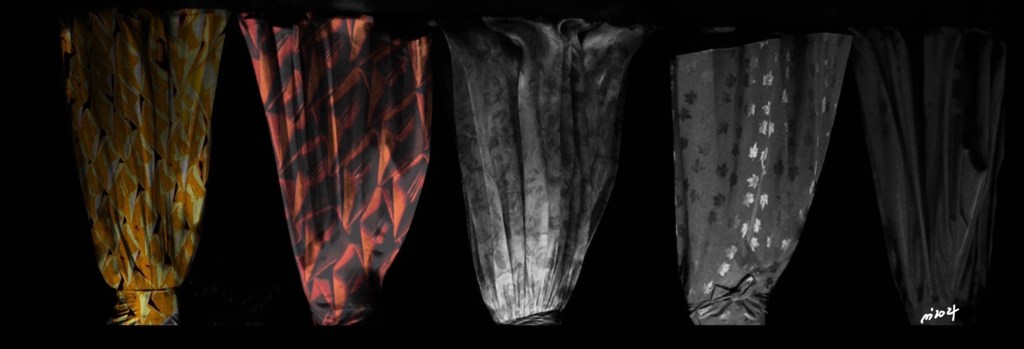
Georg Baselitz stellt seine Bilder oft auf den Kopf, um die herkömmliche Wahrnehmung von Kunst zu stören und die Interpretation seiner Werke zu hinterfragen. Dieser Ansatz dient dazu, den Fokus von der narrativen oder inhaltlichen Bedeutung des Motivs auf die formalen Aspekte des Bildes zu lenken – Farbe, Komposition, Textur. Indem er vertraute Motive umkehrt, zwingt er den Betrachter, diese neu zu sehen, ohne dass ihre ursprüngliche Bedeutung im Vordergrund steht. Für Baselitz war es wichtig, dass seine Bilder nicht auf konventionelle Weise gelesen oder interpretiert werden. Durch die Umkehrung des Bildes entzieht er dem Motiv die narrative Logik und verweigert eine eindeutige Lesbarkeit, was wiederum die „Bedeutung“ oder den Inhalt zurückstellt. Dadurch wird der Betrachter eingeladen, das Werk eher abstrakt und formal zu betrachten, statt nach einer erzählerischen Bedeutung zu suchen. Dieser Prozess stellt auch eine kritische Reaktion auf traditionelle Vorstellungen von Kunst dar, die in erster Linie nach narrativer oder symbolischer Bedeutung sucht. Baselitz wollte sich dieser Tradition bewusst entziehen und die Malerei auf ihre visuellen und materiellen Grundlagen zurückführen.
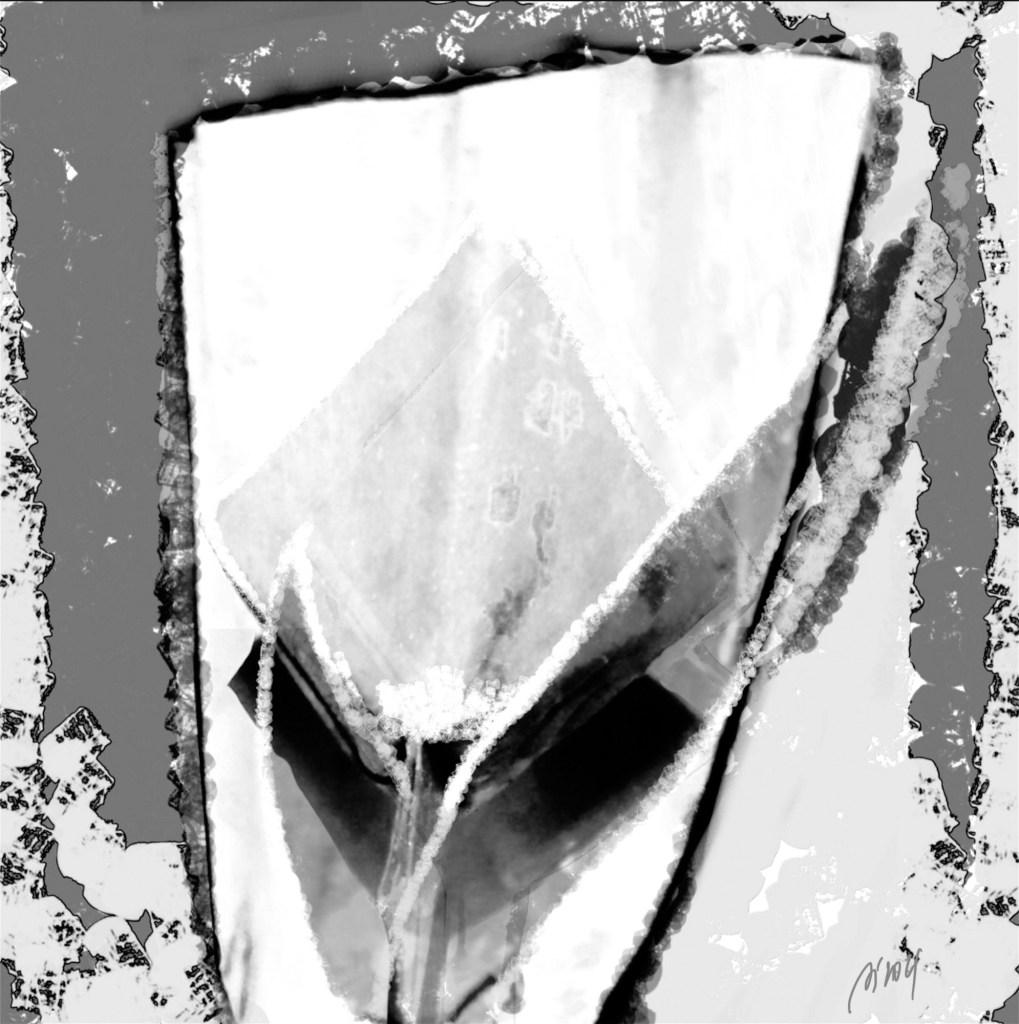
Georg Baselitz often turns his paintings upside down in order to disrupt the conventional perception of art and question the interpretation of his works. This approach serves to shift the focus from the narrative or contextual meaning of the motif to the formal aspects of the image – colour, composition, texture. By inverting familiar motifs, he forces the viewer to see them in a new light, without their original meaning taking centre stage.
For Baselitz, it was important that his paintings not be read or interpreted in a conventional way. By inverting the image, he removes the narrative logic from the motif and denies an unambiguous readability, which in turn puts the „meaning“ or content on the back burner. This invites the viewer to view the work in a more abstract and formal way rather than searching for a narrative meaning. This process also represents a critical reaction to traditional notions of art, which primarily seek narrative or symbolic meaning. Baselitz wanted to consciously escape this tradition and return painting to its visual and material foundations.
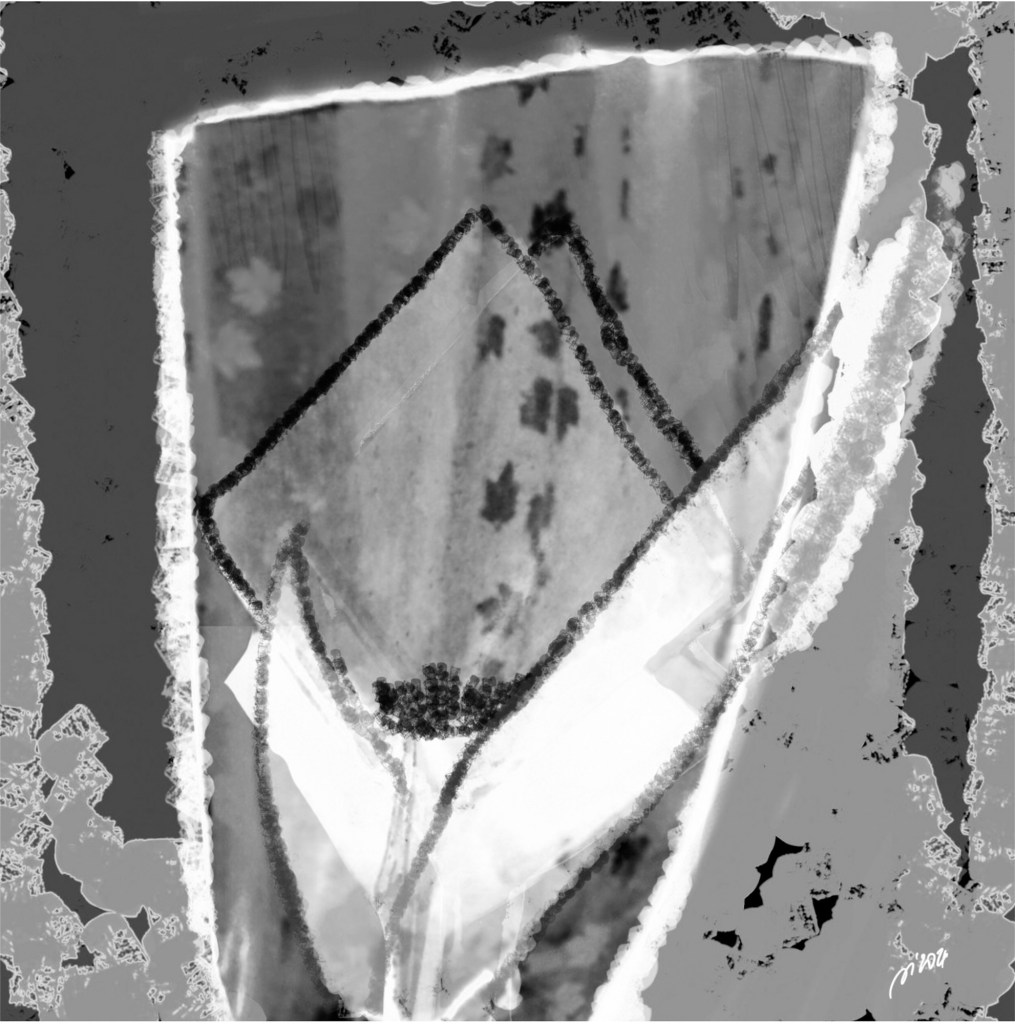
Georg Baselitz capovolge spesso i suoi dipinti per sconvolgere la percezione convenzionale dell’arte e mettere in discussione l’interpretazione delle sue opere. Questo approccio serve a spostare l’attenzione dal significato narrativo o contestuale del motivo agli aspetti formali dell’immagine – colore, composizione, texture. Invertendo i motivi familiari, l’artista costringe lo spettatore a vederli sotto una nuova luce, senza che il loro significato originale sia al centro dell’attenzione.
Per Baselitz era importante che i suoi dipinti non fossero letti o interpretati in modo convenzionale. Invertendo l’immagine, egli elimina la logica narrativa dal motivo e nega una leggibilità univoca, mettendo in secondo piano il „significato“ o il contenuto. Ciò invita lo spettatore a guardare l’opera in modo più astratto e formale piuttosto che alla ricerca di un significato narrativo. Questo processo rappresenta anche una reazione critica alle nozioni tradizionali di arte, che cercano principalmente un significato narrativo o simbolico. Baselitz voleva consapevolmente sfuggire a questa tradizione e riportare la pittura alle sue basi visive e materiali.

 piWerk