
Heute war wieder einer dieser Tage, an denen sich alles ankündigt. Überall Kunst. Man muss sie nur entdecken. Das sagte ich dann auch meiner Mitarbeiterin: „Schau genau hin, heute gibt es reichlich zu entdecken.“ Wie ein seismografisches Gerät mache ich mich auf den Weg. Diese Smartphones sind heute ständige Begleiter. Und ich muss zugeben, wir sitzen auf einer Quelle voller Kunstmomente. Motivsuche ist für mich wie eine Erweiterung der Sinnesorgane. Ein Geruch oder ein Ton kann nicht ignoriert werden! So entgehen mir Motive nur selten. Meistens dann, wenn wir nicht die gleiche Sprache sprechen oder wenn wir einander ignorieren. Etwas Besseres ist für uns bestimmt. Und wenn nicht unbedingt Besseres, dann zumindest etwas Anderes. So ist der Tag gesetzt und…
Today was one of those days again when everything announces itself. Art is everywhere. You just have to discover it. That’s what I told my colleague: „Look closely, today there’s plenty to discover.“ Like a seismographic device, I set off. These smartphones are constant companions nowadays. And I have to admit, we are sitting on a source full of artistic moments. For me, searching for a subject is like extending my senses. A smell or a sound cannot be ignored! So, I rarely miss out on subjects. Mostly only when we don’t speak the same language or when we ignore each other. Something better is destined for us. And if not necessarily something better, then at least something different. So the day is set and…
Oggi è stato di nuovo uno di quei giorni in cui tutto si annuncia. L’arte è ovunque. Basta scoprirla. È quello che ho detto anche alla mia collaboratrice: „Guarda attentamente, oggi c’è molto da scoprire.“ Come un dispositivo sismografico, mi sono messo in cammino. Questi smartphone sono compagni costanti al giorno d’oggi. E devo ammettere che siamo seduti su una fonte piena di momenti artistici. La ricerca di un soggetto è per me come un’estensione dei sensi. Un odore o un suono non possono essere ignorati! Quindi mi sfuggono raramente i soggetti. Per lo più, solo quando non parliamo la stessa lingua o quando ci ignoriamo a vicenda. Qualcosa di meglio è destinato a noi. E se non proprio qualcosa di meglio, allora almeno qualcosa di diverso. Così la giornata è segnata e…
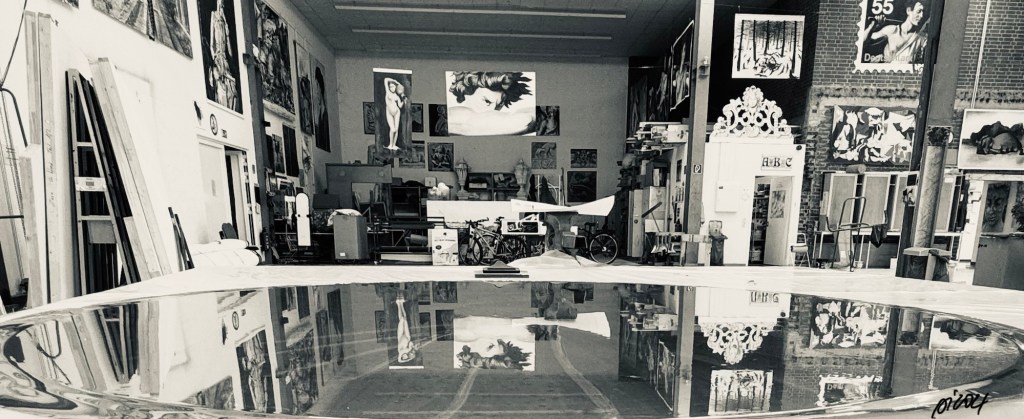
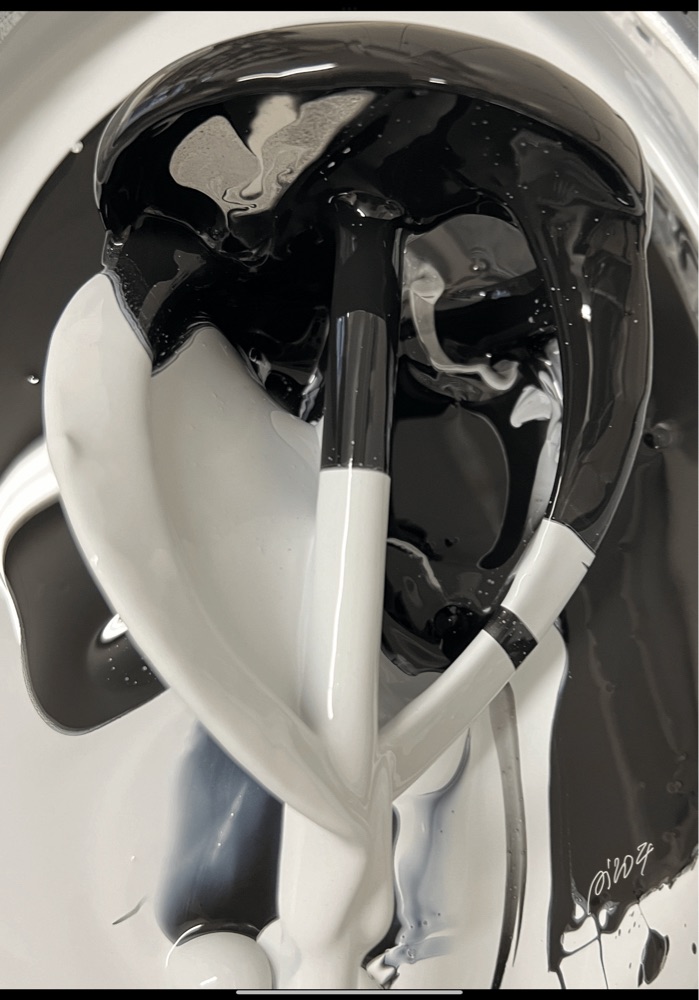
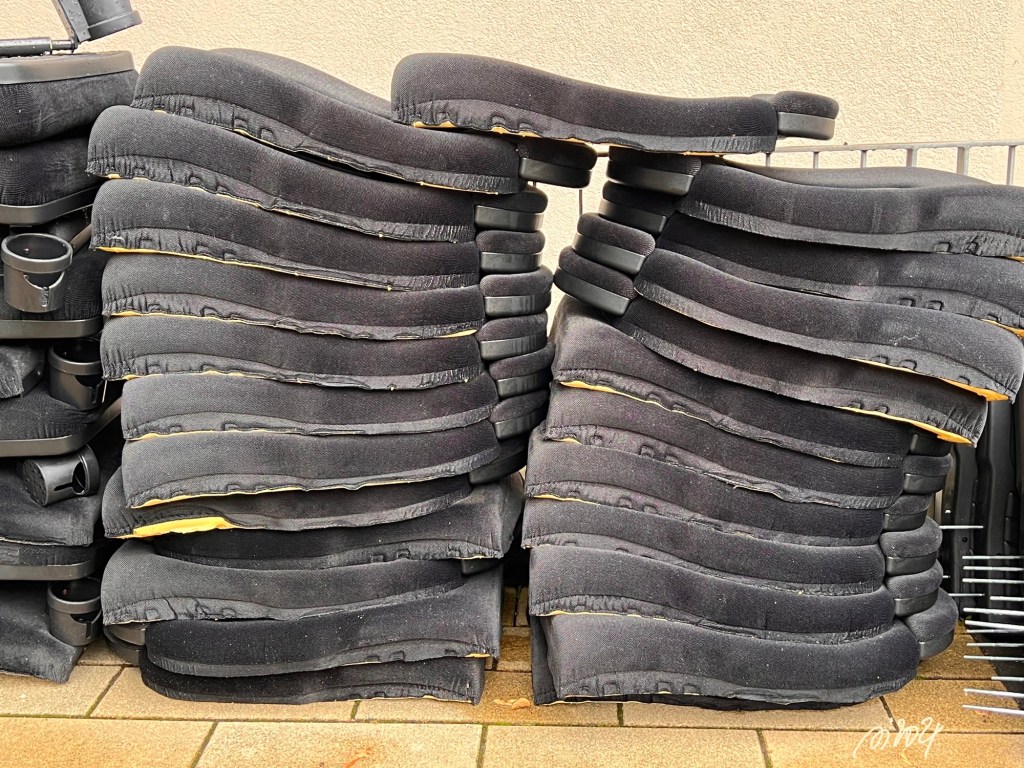
Aber was genau ist ein Motiv? In der Psychologie ist ein Motiv ein Beweggrund für menschliches Verhalten, der eine positive emotionale Konsequenz mit sich bringt. Häufig werden die Begriffe Bedürfnis, Drang, Trieb oder Streben synonym verwendet. Manchmal kann es jedoch etwas scheinbar Belangloses sein, wie ein Schatten, eine Form oder ein Farbfleck. Motive gibt es wirklich im Überfluss. Jeder Mensch findet unterschiedliche, selbst wenn mehrere Menschen in die gleiche Richtung blicken.
Kinder z.B. sind in dieser Hinsicht, würde ich behaupten, viel unkritischer. Zumindest aber nicht berechenbar. Sie müssen nicht gegen so viel Zivilisationsmüll ankämpfen und haben eine unbeschwerte Fantasie. Kinderzeichnungen sind jedenfalls viel entspannter und unmittelbarer.
But what exactly is a motive? In psychology, a motive is a reason for human behavior that brings a positive emotional consequence. Terms like need, urge, drive, or aspiration are often used synonymously. However, sometimes it can be something seemingly insignificant, like a shadow, a shape, or a splash of color. Motives really exist in abundance. Every person finds different ones, even when several people are looking in the same direction.
Children, for example, are, I would argue, much less critical in this regard. At the very least, they are unpredictable. They don’t have to fight against so much of civilization’s clutter and have an uninhibited imagination. Children’s drawings, in any case, are much more relaxed and immediate.
Ma cos’è esattamente un motivo? In psicologia, un motivo è una ragione del comportamento umano che porta una conseguenza emotiva positiva. Termini come bisogno, impulso, istinto o aspirazione sono spesso usati come sinonimi. Tuttavia, a volte può essere qualcosa di apparentemente insignificante, come un’ombra, una forma o una macchia di colore. I motivi esistono davvero in abbondanza. Ogni persona trova motivi diversi, anche quando più persone guardano nella stessa direzione.
I bambini, ad esempio, sono in questo senso, direi, molto meno critici. Almeno però sono imprevedibili. Non devono combattere contro così tanto ingombro della civiltà e hanno un’immaginazione spensierata. I disegni dei bambini, in ogni caso, sono molto più rilassati e immediati.
„Ich konnte schon früh zeichnen wie Raphael, aber ich habe ein Leben lang gebraucht, wieder zeichnen zu lernen wie ein Kind.“ So beschreibt Pablo Picasso seinen einzigartigen Stil, der ihn weltberühmt gemacht hat. Ja, der Mann muss es gewusst haben. Natürlich ist der Kubismus ein langer Weg aus These und Antithese. Auch für eine Größe wie Picasso war der Weg dorthin ein Kampf um die Deutungshoheit in der modernen Kunst – ein Kampf gegen festgefahrene Darstellungsformen und Denkweisen.
„I could already draw like Raphael at an early age, but it took me a lifetime to learn to draw again like a child.“ This is how Pablo Picasso described his unique style, which made him world-famous. Yes, the man must have known. Of course, Cubism is a long journey of thesis and antithesis. Even for a figure like Picasso, the path to it was a struggle for interpretive dominance in modern art—a battle against entrenched forms of representation and ways of thinking.
„Sapevo già disegnare come Raffaello in tenera età, ma mi ci è voluta una vita intera per imparare di nuovo a disegnare come un bambino.“ Così Pablo Picasso descrive il suo stile unico, che lo ha reso famoso in tutto il mondo. Sì, quell’uomo doveva saperlo. Naturalmente, il cubismo è un lungo cammino di tesi e antitesi. Anche per una figura come Picasso, il percorso verso di esso è stato una lotta per l’egemonia interpretativa nell’arte moderna, una lotta contro forme di rappresentazione e modi di pensare radicati.

 piWerk