
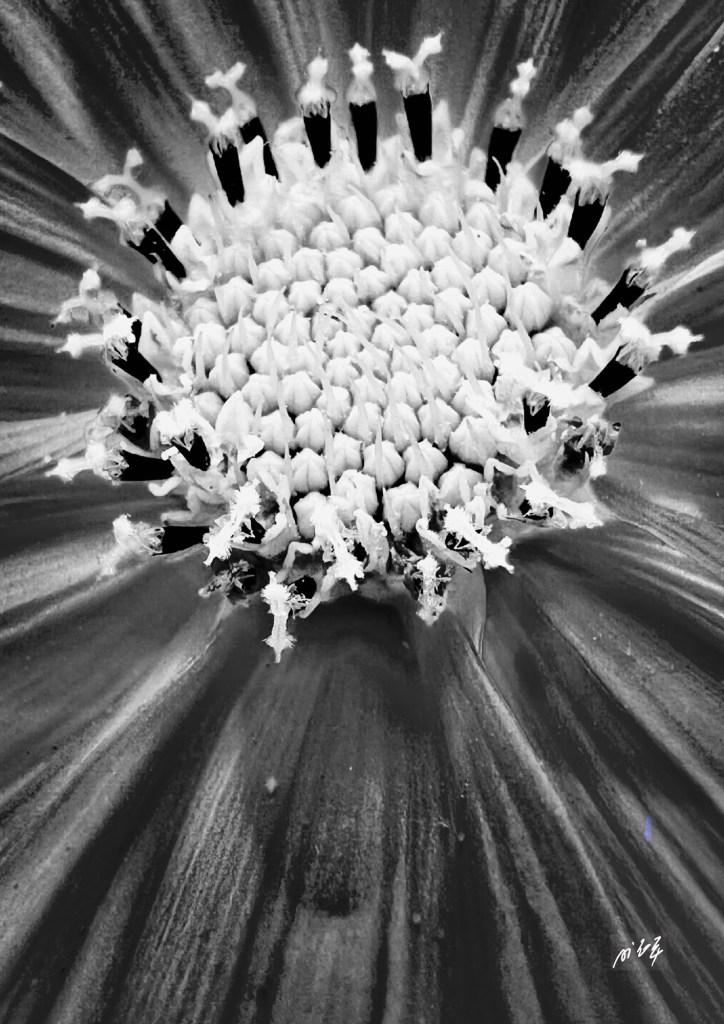
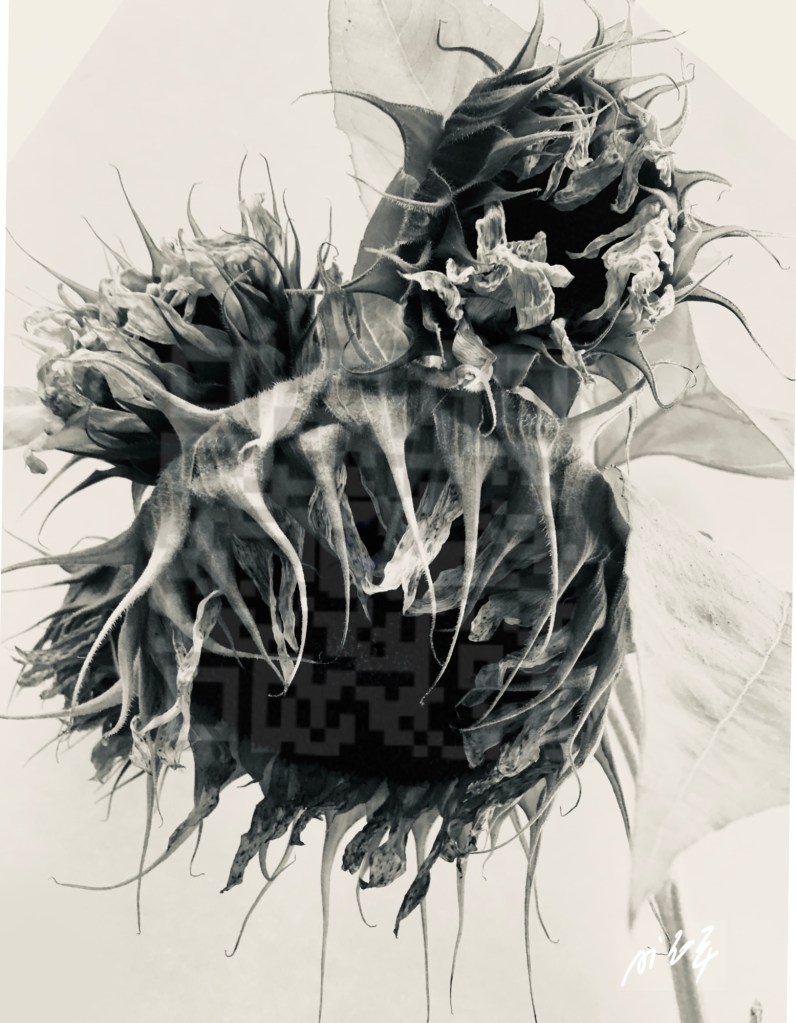
Die Natur hat seit jeher eine zentrale Rolle als Vorbild und Inspirationsquelle für Künstler gespielt. Sie dient nicht nur als Motiv, sondern auch als unerschöpfliches Archiv von Formen, Farben und Strukturen, die Künstler dazu anregen, ihre Werke zu gestalten. Die Natur zeigt eine enorme Vielfalt an Formen: von der geometrischen Präzision eines Kristalls bis zu den organischen, unregelmäßigen Linien eines Baumes. Diese Vielfalt bietet Künstlern die Möglichkeit, sowohl naturgetreu als auch abstrakt zu arbeiten. Pflanzen, Tiere, Landschaften und Himmelsphänomene wurden in der Kunst immer wieder thematisiert, um menschliche Emotionen auszudrücken oder philosophische und spirituelle Gedanken zu reflektieren.
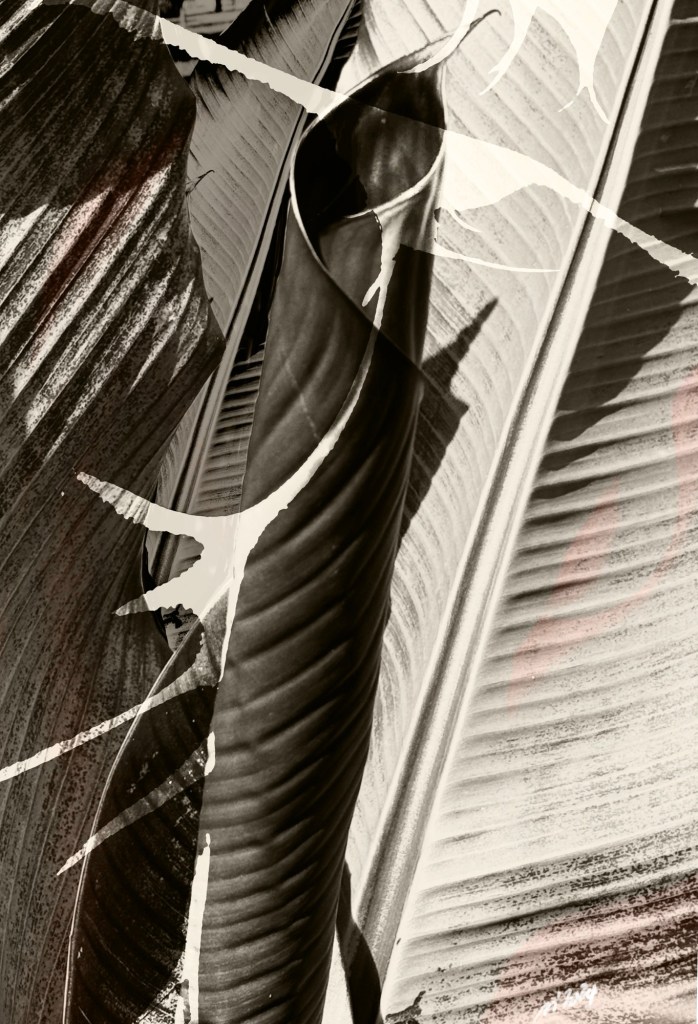
Beispiele reichen von den detailgetreuen botanischen Zeichnungen der Renaissance bis hin zu den impressionistischen Landschaften von Künstlern wie Claude Monet. Auch in der modernen Kunst dient die Natur als Inspiration, sei es in der Land Art, wo Künstler direkt in der Natur arbeiten, oder in der Biodesign-Bewegung, die natürliche Prozesse und Formen in Design und Architektur integriert.
Die Natur bietet nicht nur visuelle Anregung, sondern auch ein Archiv von Mustern und Prinzipien, die Künstler immer wieder neu interpretieren. Das Spiel von Licht und Schatten, die Komposition von Farben oder die Symmetrie und Asymmetrie in der Natur sind Themen, die künstlerische Arbeiten prägen und ihnen Tiefe verleihen.
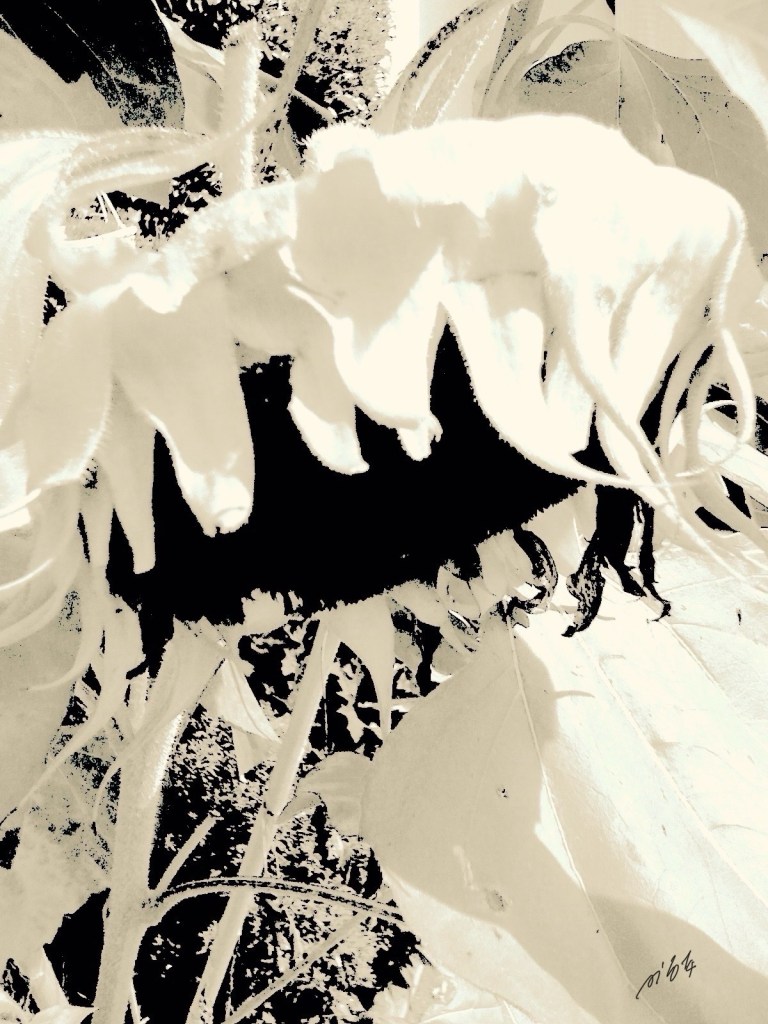
Nature has always played a central role as a model and source of inspiration for artists. It serves not only as a motif, but also as an inexhaustible archive of shapes, colours and structures that inspire artists to create their works.
Nature displays an enormous variety of forms: from the geometric precision of a crystal to the organic, irregular lines of a tree. This diversity offers artists the opportunity to work both realistically and abstractly. Plants, animals, landscapes and celestial phenomena have always been thematised in art to express human emotions or reflect philosophical and spiritual thoughts.
Examples range from the detailed botanical drawings of the Renaissance to the impressionist landscapes of artists such as Claude Monet. Nature also serves as an inspiration in modern art, whether in land art, where artists work directly in nature, or in the biodesign movement, which integrates natural processes and forms into design and architecture.
Nature offers not only visual stimulation, but also an archive of patterns and principles that artists reinterpret time and again. The play of light and shadow, the composition of colours or the symmetry and asymmetry in nature are themes that characterise artistic works and lend them depth.
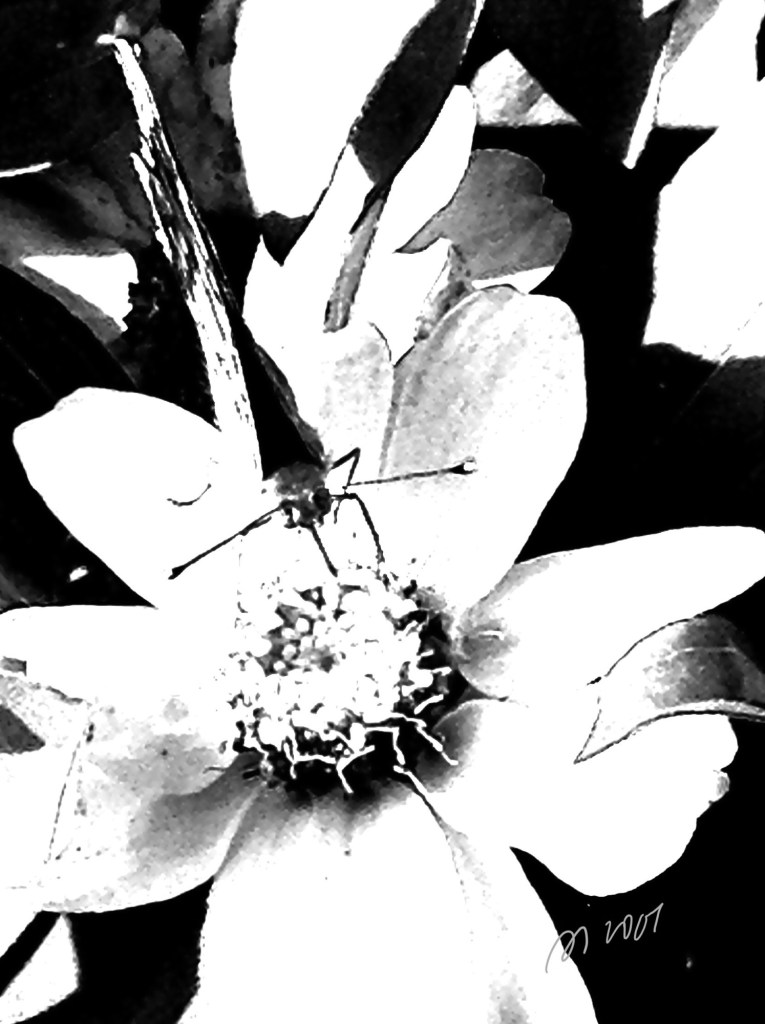
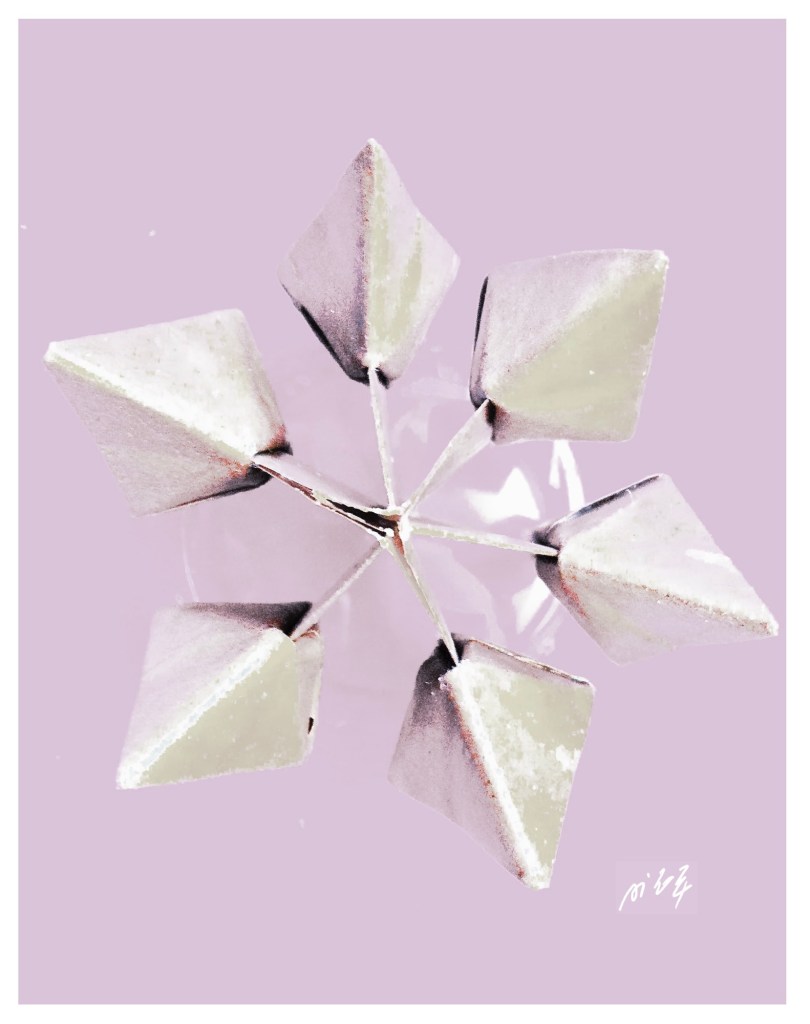
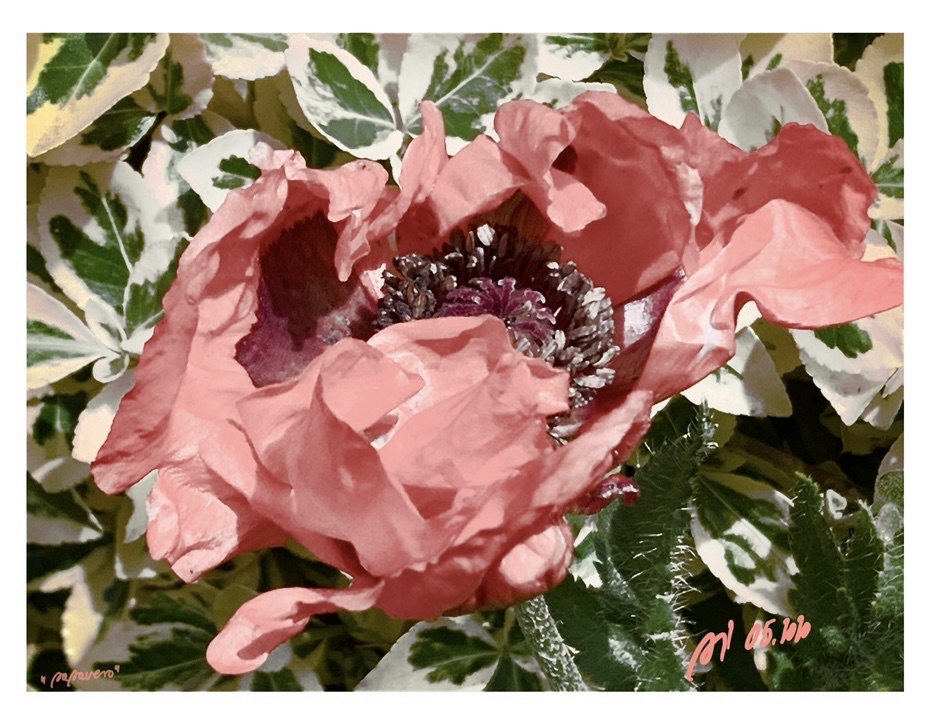
La natura ha sempre avuto un ruolo centrale come modello e fonte di ispirazione per gli artisti. Non serve solo come motivo, ma anche come archivio inesauribile di forme, colori e texture che ispirano gli artisti a creare le loro opere.
La natura presenta un’enorme varietà di forme: dalla precisione geometrica di un cristallo alle linee organiche e irregolari di un albero. Questa diversità offre agli artisti l’opportunità di lavorare sia in modo realistico che astratto. Piante, animali, paesaggi e fenomeni celesti sono sempre stati tematizzati nell’arte per esprimere emozioni umane o riflettere pensieri filosofici e spirituali.
Gli esempi vanno dai dettagliati disegni botanici del Rinascimento ai paesaggi impressionisti di artisti come Claude Monet. La natura funge da ispirazione anche nell’arte moderna, sia nella land art, dove gli artisti lavorano direttamente nella natura, sia nel movimento del biodesign, che integra i processi e le forme naturali nel design e nell’architettura.
La natura non offre solo stimoli visivi, ma anche un archivio di modelli e principi che gli artisti reinterpretano costantemente. Il gioco di luci e ombre, la composizione dei colori o la simmetria e l’asimmetria in natura sono temi che caratterizzano le opere artistiche e conferiscono loro profondità.

 piWerk
Outstanding post! outstanding images! thanks for sharing. ( i always thought of Cathedral architecture as resembling the inside of a cave, everything we do imitates the art we live/exist in, but i am often wrong). Greetings from oz, gary j
LikeGefällt 2 Personen
Yes, deception is also such a crazy phenomenon! Thank you for your compliment.
LikeGefällt 1 Person