

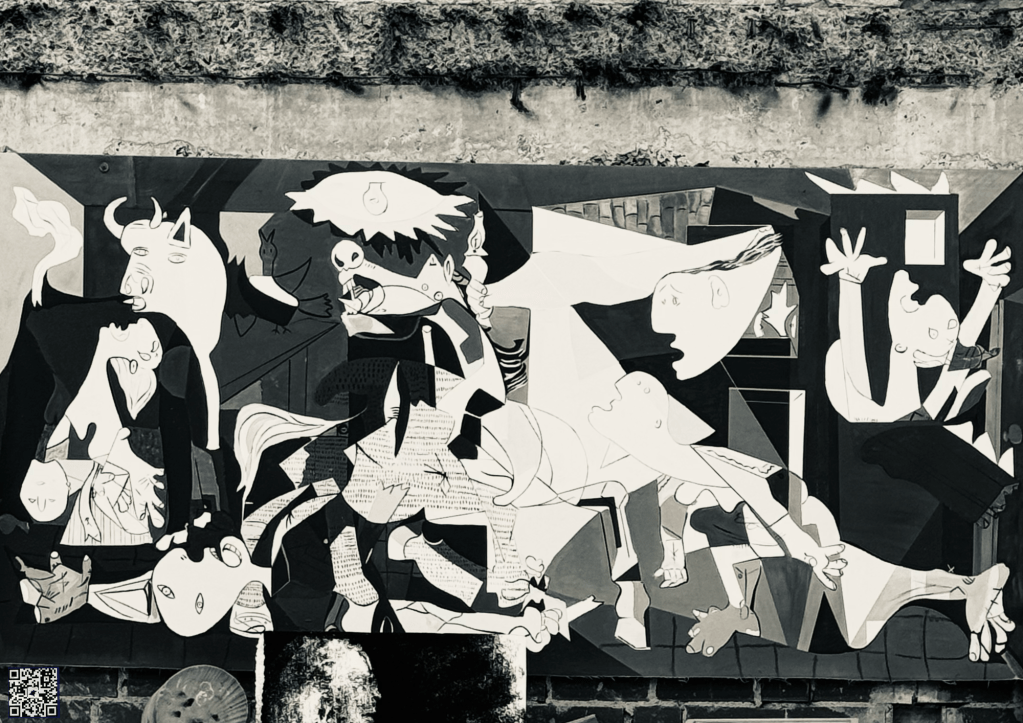
„Die Aufgabe von Kunst heute ist es, Chaos in die Ordnung zu bringen“. Dieser Satz steht im Zusammenhang mit Adornos ästhetischer Theorie und seiner kritischen Theorie der Gesellschaft. Adorno war ein führender Denker der Frankfurter Schule und beschäftigte sich intensiv mit der Rolle der Kunst in der modernen Gesellschaft. Vor 100 Jahren, am 22. Juni 1924, wurde in der Stadt am Main das Frankfurter Institut für Sozialforschung an der Viktoria-Allee, heute Senckenberganlage, eröffnet. Es war, angebunden an die Goethe-Universität, die erste akademische Einrichtung überhaupt, die sich nicht nur wissenschaftlich mit dem Marxismus auseinandersetzte, sondern in ihm auch eine auf vieleriei Fachgebiete anwendbare Erkenntnismethode sah.
„The task of art today is to bring chaos into order“ is related to Adorno’s aesthetic theory and his critical theory of society. Adorno was a leading thinker of the Frankfurt School and was intensely concerned with the role of art in modern society. 100 years ago, on 22 June 1924, the Frankfurt Institute for Social Research was opened on Viktoria-Allee, now Senckenberganlage, in the city on the Main. Linked to Goethe University, it was the first academic institution ever to not only engage academically with Marxism, but also to see it as a method of cognition that could be applied to many different fields.
„Il compito dell’arte oggi è portare il caos all’ordine“ è legato alla teoria estetica di Adorno e alla sua teoria critica della società. Adorno è stato uno dei principali pensatori della Scuola di Francoforte e si è occupato intensamente del ruolo dell’arte nella società moderna. 100 anni fa, il 22 giugno 1924, fu inaugurato l’Istituto di ricerca sociale di Francoforte sulla Viktoria-Allee, oggi Senckenberganlage, nella città sul Meno. Legata all’Università Goethe, è stata la prima istituzione accademica in assoluto a impegnarsi non solo a livello accademico con il marxismo, ma anche a considerarlo come un metodo di conoscenza che poteva essere applicato a molti campi diversi.

Adorno sah die Kunst als eine Kraft, die bestehende Ordnungen und Normen hinterfragt und aufbricht. Durch die Schaffung von „Chaos“ in diesen festgefügten Strukturen ermöglicht die Kunst neue Perspektiven und Einsichten. Adorno argumentierte, dass Kunst nicht nur ästhetischen Genuss bieten, sondern auch soziale und politische Realitäten reflektieren und kritisieren soll.
Adorno saw art as a force that questions and breaks up existing orders and norms. By creating „chaos“ in these firmly established structures, art enables new perspectives and insights. Adorno argued that art should not only offer aesthetic pleasure, but also reflect and criticise social and political realities.
Adorno vede l’arte come una forza che mette in discussione e rompe gli ordini e le norme esistenti. Creando „caos“ in queste strutture saldamente consolidate, l’arte consente nuove prospettive e intuizioni. Adorno sosteneva che l’arte non dovesse solo offrire un piacere estetico, ma anche riflettere e criticare le realtà sociali e politiche.

In seiner „Ästhetischen Theorie“ und anderen Schriften betont Adorno die Dialektik von Chaos und Ordnung: Während die Gesellschaft nach Stabilität und Kontrolle strebt, muss die Kunst diese Ordnung stören und hinterfragen, um Raum für Freiheit und Emanzipation zu schaffen.
In his „Aesthetic Theory“ and other writings, Adorno emphasises the dialectic of chaos and order: while society strives for stability and control, art must disrupt and question this order in order to create space for freedom and emancipation.
Nella sua „Teoria estetica“ e in altri scritti, Adorno pone l’accento sulla dialettica di caos e ordine: mentre la società si sforza di raggiungere la stabilità e il controllo, l’arte deve sconvolgere e mettere in discussione quest’ordine per creare uno spazio di libertà ed emancipazione.

Ob es der Kunst gelungen ist, „Chaos“ zu schaffen und die gesellschaftliche Ordnung zu stören?
Has art succeeded in creating „chaos“ and disrupting social order?
L’arte è riuscita a creare „caos“ e a sconvolgere l’ordine sociale?
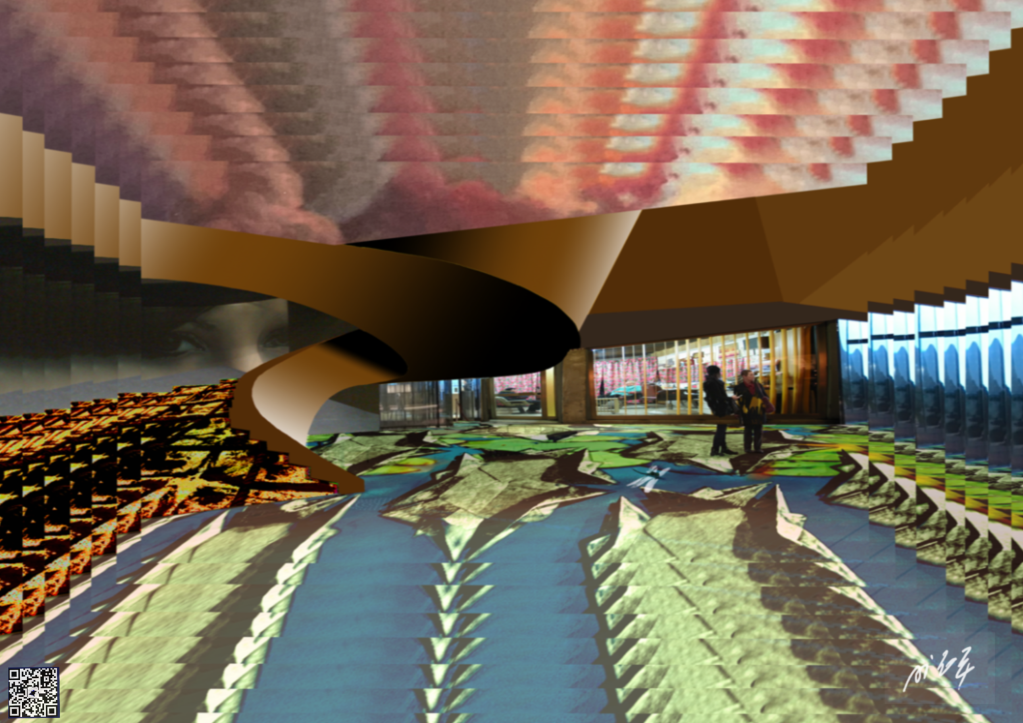
Obwohl Kunst oft erfolgreich war, Chaos zu schaffen und bestehende Ordnungen zu stören, ist die Wirkung nicht immer dauerhaft oder umfassend. Gesellschaftliche Strukturen und Normen sind tief verwurzelt und widerstandsfähig, und die Kunst allein kann sie nicht vollständig transformieren. Dennoch hat Kunst immer wieder Räume für kritisches Denken und gesellschaftliche Veränderungen eröffnet.
Although art has often been successful in creating chaos and disrupting existing orders, the effect is not always permanent or comprehensive. Social structures and norms are deeply rooted and resilient, and art alone cannot completely transform them. Nevertheless, art has repeatedly opened up spaces for critical thinking and social change.
Sebbene l’arte abbia spesso avuto successo nel creare caos e sconvolgere gli ordini esistenti, l’effetto non è sempre permanente o completo. Le strutture e le norme sociali sono profondamente radicate e resistenti, e l’arte da sola non può trasformarle completamente. Tuttavia, l’arte ha ripetutamente aperto spazi per il pensiero critico e il cambiamento sociale.
 piWerk
Der Kunstmarkt hat auch die chaotischsten Künstler schnell domestiziert.
LikeGefällt 1 Person
Ja, diesen Aspekt, das Verhältnis zwischen Kunst und Kommerz, hat Wolfgang Ulrich in seinem Buch „Die Kunst nach dem Ende ihrer Autonomie“ sehr gut analysiert und beschrieben. Viele Künstler haben sehr schnell ihre Seele dem Markt verramscht – einige mit sehr großem Erfolg.
LikeLike